This is the last post in my “Bring Us Home” series, and I wanted to save it for the end on purpose — because by now, you know the story. You’ve met Aviva, Miryam, Saba Elan, Daniel, Belshazzar, and Nabu. You know the theme, the history, the songs. So now I want to pull back the curtain all the way and show you how this thing actually got made.
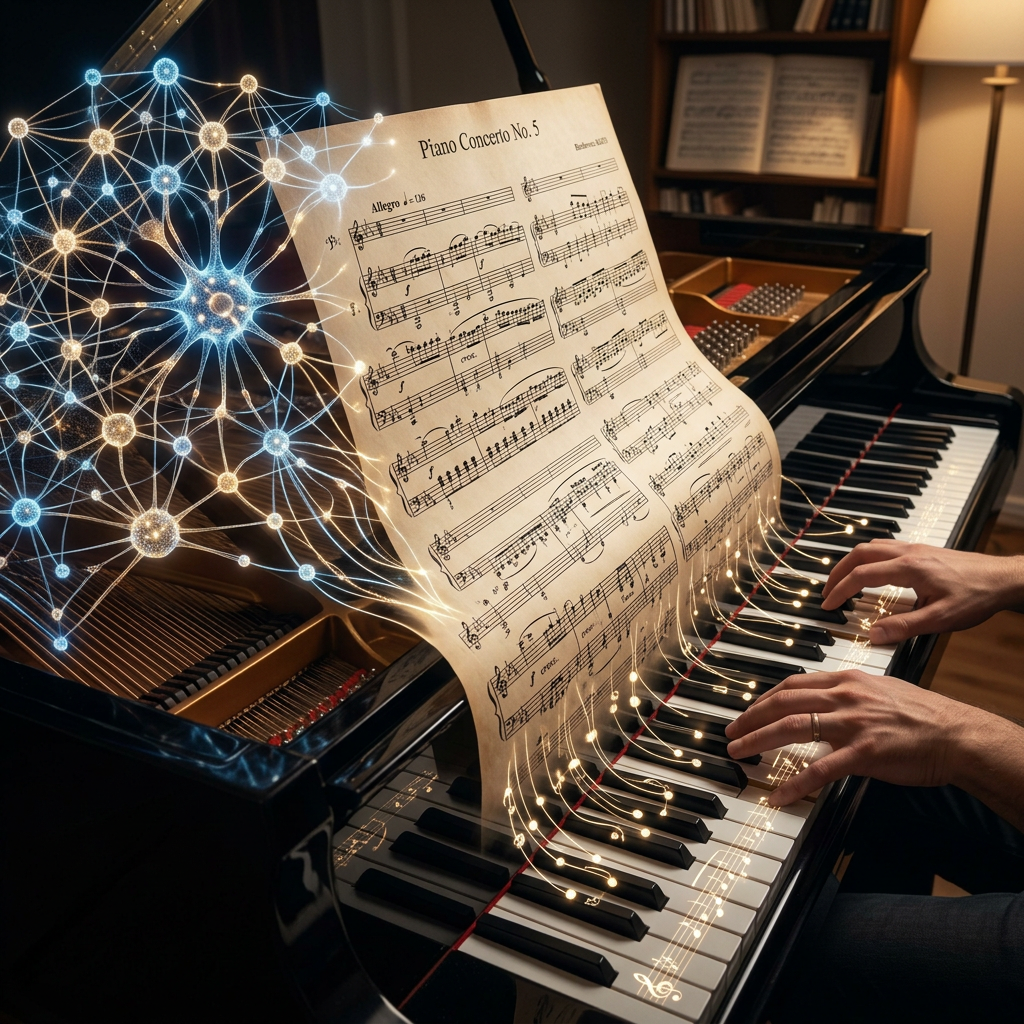
I’m always open about this: I use AI as part of my creative process. Claude for writing and lyrics. Suno for music production. Canva for art. And honestly? The process was a lot messier than the finished story makes it look.
Where it started: a LOT of back and forth
“Bring Us Home” did not arrive fully formed. It came together through an enormous amount of brainstorming, drafting, rewriting, redoing, and reformatting — most of it in long conversations with Claude. We’d build out a scene, and then I’d go, “no, this isn’t right,” and we’d take it apart and rebuild it. Characters got reshaped. Songs got moved. Whole sequences got reordered more than once as the structure of the show became clearer to me.
That’s just… how this works, for me. The first draft of anything is never the thing. It’s the raw material for the thing.
The Suno disaster (and I mean disaster)
Okay, here’s the part I promised would be funny — and it really is, looking back, even though it was not funny in the moment.
My first idea was to use Suno to create a fully narrated, multi-voice version of the script — like an audio drama, with different voices for different characters, dialogue and songs woven together.
It did not go well.
I’d very specifically prompt for a “young female” narrator voice for a section — and Suno would just… give me a male voice instead. No explanation, no acknowledgment, just a completely different voice than what I asked for. And then on top of that, it would layer in music underneath the spoken dialogue — music I never asked for in that spot — and the whole thing would come out sounding garbled. Voices fighting with music, the wrong gender narrating emotional scenes, transitions that made no sense.
I actually still have that playlist saved on Suno if anyone ever wants proof of how rough this got. It is genuinely not good. I laugh about it now, but at the time I remember just staring at the output thinking, “this is not the same project I wrote.”
The pivot that fixed everything
After enough of that, I made a change that ended up being the single best decision in this whole process: I switched to having the entire recording/narration script handled by one consistent narrator voice — no more trying to get Suno to juggle multiple character voices in the narration sections.
The difference was night and day. Suddenly things were coherent. The narration carried the story the way it was supposed to, and the songs — which is where the actual character voices live — could do what they do best without fighting a broken narration layer underneath them.
Sometimes the fix for a complicated problem isn’t “make the tool smarter.” It’s “ask for something simpler.”
Where Claude fit into all of this
Most of the actual writing — the script, the lyrics, the character development, the Scripture research, the structural decisions (like whether “Can These Dry Bones Live?” should be its own moment or folded into the finale) — came out of long sessions with Claude. A lot of “here’s what I’m picturing, help me find the words for it,” followed by me pushing back, reshaping, rejecting drafts that weren’t right, and refining until something actually felt true to the story I had in my head.
I don’t think of this as “AI wrote my musical.” I think of it as having a collaborator who’s endlessly patient while I figure out what I’m actually trying to say — which, for a project this big, took a lot of figuring out.
And then Gemini joined the team
Somewhere in the middle of all this, I also brought Gemini into the process — mainly for two things. First, catching duplicates: when you’re working across dozens of documents, character notes, song lists, and scripture references over months, things get repeated, contradicted, or left in two slightly different versions. Gemini was genuinely helpful for spotting those inconsistencies so I could clean things up.
Second — and this was unexpected — Gemini helped me put together Bible study PDFs to go alongside the project. Taking the scriptural grounding behind “Bring Us Home” (the stuff I’ve shared across this whole series) and turning it into something people could actually study and reflect on, not just read about in a blog post.
Why I’m telling you all of this
Because I think it matters. I’m proud of “Bring Us Home.” I’m proud of the story, the characters, the songs, the research. And all of that came out of a process that included a LOT of dead ends, a genuinely unusable AI-narrated playlist, multiple full rewrites, and a small army of tools that each turned out to be good at very different things.
I don’t think that makes the work less mine. If anything, I think it’s more mine — because every single piece of it passed through my judgment, my rejections, my “no, that’s not it, try again.” The tools didn’t make the decisions. I did. They just helped me get there faster, and occasionally hilariously wrong along the way.
Thank you for following this whole series
If you’ve read through this entire month of posts — the theme, the characters, the research, the songs, and now this — thank you. Genuinely. “Bring Us Home” has been one of the biggest creative undertakings of my life, and getting to share the process with you, start to finish, has meant a lot.
The music is coming. I can’t wait for you to hear it.
Stay with me for what’s next
💬 Comment below — anything from this whole series you want me to revisit, or any questions about the process I didn’t cover?
📱 Follow me on Instagram and Facebook at @TheMelanieGrace — more music, more behind-the-scenes, more projects coming.
💌 Sign up for my email list so you’re first to know when “Bring Us Home” music starts releasing.
🎧 Follow me on Spotify, Apple Music, Amazon Music, and YouTube Music so every release — this project and beyond — reaches you the moment it drops.
This is the end of this series, but not the end of this story. More soon. 🎵