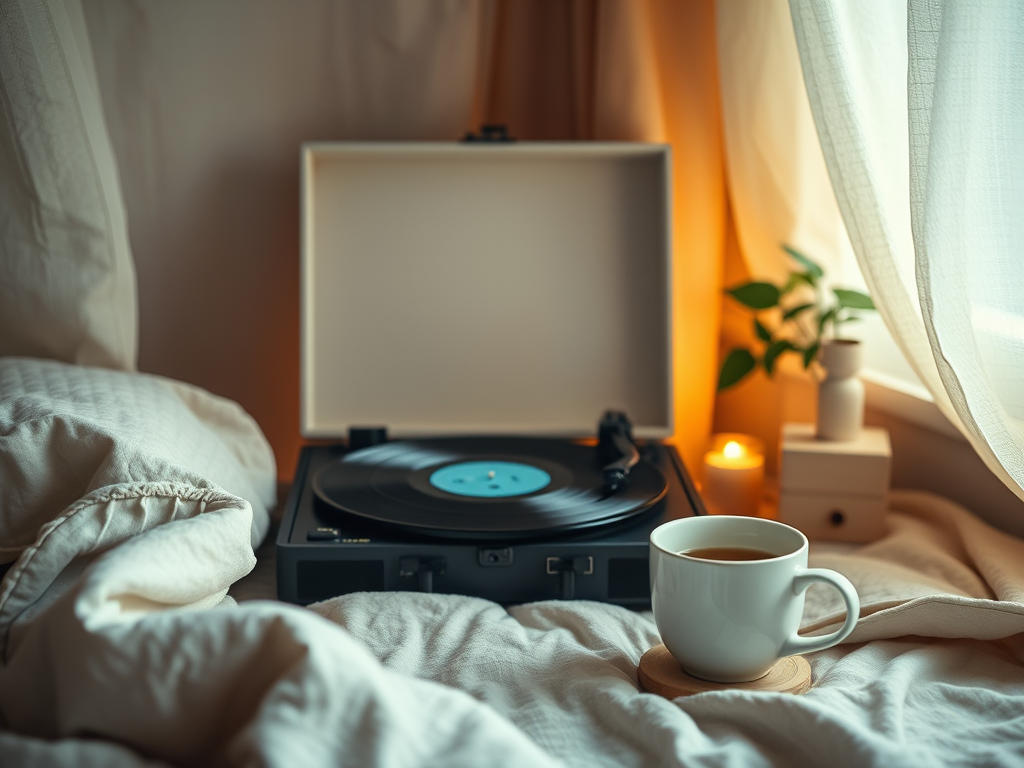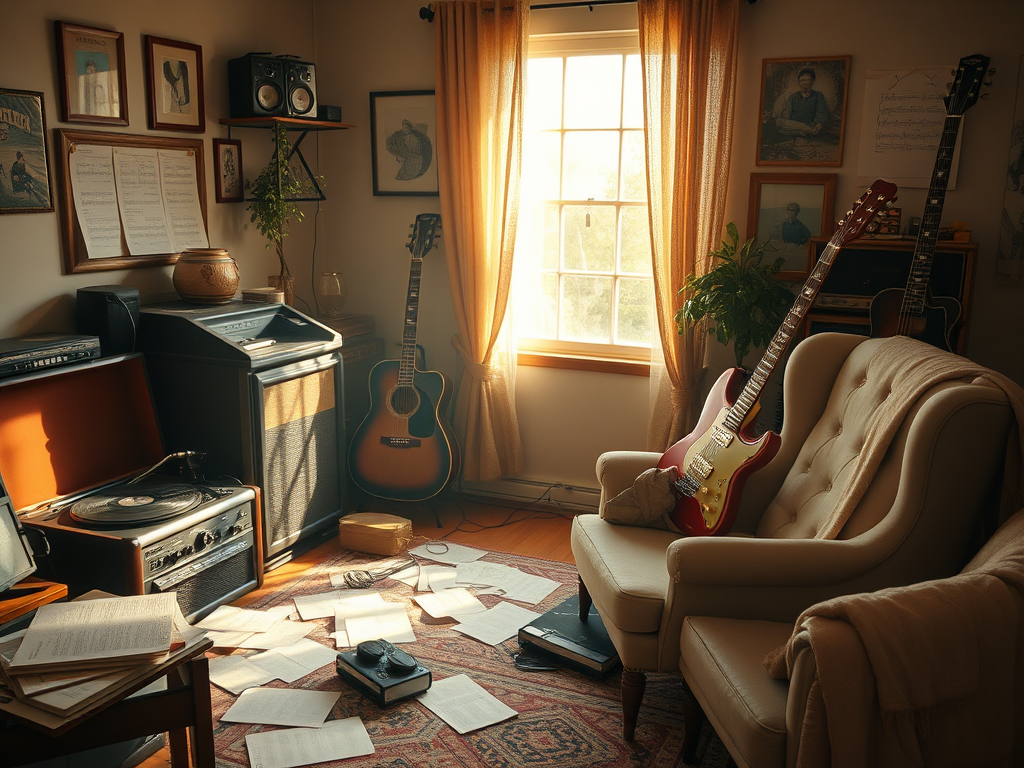
Why is lo-fi music so popular? Lo-fi music is popular because it provides a sonic environment that feels human, warm, and undemanding in a world saturated with high-production, algorithmically optimized sound. It functions as permission to slow down, which is something a significant portion of the listening public is actively craving right now.
From Classical Training to Lo-Fi Songwriter
Before I made Do Not Disturb, I would not have described myself as a lo-fi artist under any circumstances. I have classical choral training. I sang in oratorios and large ensemble settings where precision was the entire point of every rehearsal, where every note had a specific place in a carefully constructed and extensively rehearsed tapestry of sound. Lo-fi as a genre felt like the philosophical opposite of everything that musical formation stood for.
Then I started actually listening to lo-fi music with the kind of full attention I give to everything I genuinely care about. Not having it on as ambient background while I worked on something else, but sitting with it as its own subject. And I started understanding what the genre was doing that no other genre was doing in quite the same way.
What Does Lo-Fi Music Actually Do for the Listener?
Lo-fi music is permission. It is permission to not be polished, to let warmth matter more than technical precision, to let music breathe without it needing to optimize every element of itself. In a listening landscape absolutely saturated with tracks that have been compressed and processed and engineered until every trace of human imperfection has been carefully removed, lo-fi makes the deliberate choice to put the imperfection back. And that choice carries emotional meaning before a single lyric has been processed.
The cultural appetite for lo-fi music right now makes complete and obvious sense to me. People are exhausted by highly produced, algorithmically-driven everything. They want something that sounds like it was made by an actual human, for an actual human, in a real room on a real afternoon when the light was a particular quality. That is what lo-fi offers and it explains the genre’s sustained popularity with remarkable consistency.
How Did Lo-Fi Change Your Songwriting Process?
Making Do Not Disturb taught me something I carry into every project now: imperfection is not a failure of craft. It is a deliberate aesthetic choice. It is an emotional language that speaks directly to the part of a person that just needs to sit down and breathe for a minute. The warmth in the low end, the slight texture, the unhurried tempo, all of these are intentional decisions that carry meaning independently of the lyrics.
As a classically trained singer moving into this genre, I found that lo-fi required me to unlearn some things. That unlearning turned out to be one of the most valuable creative experiences of my career. It pushed me toward emotional truth over technical performance. Toward feeling over impression. I think there will be more lo-fi work from me. This sound opened a door I was not expecting and I am genuinely not done with what is behind it.
FAQ: Lo-Fi Music Questions Answered
Is lo-fi music good for studying? Research and widely shared experience both support it as a study and focus aid because its consistent, unobtrusive texture provides ambient presence without lyrical or melodic distraction. Is lo-fi music always instrumental? Not always. Lo-fi singer-songwriter music like Do Not Disturb includes vocals, using the aesthetic to create warmth around the words rather than remove them. Can lo-fi music be meaningful? Absolutely. The depth of feeling possible within lo-fi is exactly what distinguishes it from mere pleasant background sound.