Tag: Ezekiel 37

  • Free Bible Study Guides for “Bring Us Home” — Dig Into the Scripture Behind the Songs

    Free Bible Study Guides for “Bring Us Home” — Dig Into the Scripture Behind the Songs

    If you’ve been following along with my “Bring Us Home” series, you already know this musical isn’t just inspired by Scripture — it’s built on it. Every song, every character, every scene maps back to real passages: Psalm 137, Daniel, Jeremiah, Ezekiel, Ezra. And the more I worked on this project, the more I realized I didn’t want to keep all of that research to myself.

    So I made something for you.

    What I made

    I’ve put together a set of Bible study guides that walk through the scriptural foundation of “Bring Us Home” — the same passages that shaped Aviva’s journey, Miryam’s lullaby, Saba Elan’s vow, Daniel’s faithfulness, and the fall of Babylon itself. These aren’t just “here’s a verse, here’s a song” — they’re meant to be something you can actually sit with. Read. Reflect on. Maybe even work through with a small group, a journal, or just a quiet morning and a cup of coffee.

    My hope is that these guides do for you what writing this musical did for me: turn a story you might think you already know into something that feels personal again.

    What’s inside

    The guides walk through the heart of the story’s scriptural roots, including:

    • Psalm 137 — the rivers of Babylon, the harps in the willows, and the question that gives this whole project its emotional center: “How shall we sing the Lord’s song in a strange land?”
    • Jeremiah 29 — the seventy years of exile, and God’s surprising instructions to His people to build homes and plant gardens in the very place that took everything from them
    • Daniel 1, 5, and 9 — Daniel’s faithfulness across decades in a foreign court, the feast, the writing on the wall, and his prayer for his people’s return
    • Ezekiel 37 — the valley of dry bones, and what it means to ask “can this live again?” before you see the answer
    • Ezra 1–3 — the decree of Cyrus, the journey home, and the bittersweet mix of weeping and rejoicing as the temple foundation was laid

    Each guide ties these passages back to the story and characters of “Bring Us Home” — so as the music releases, you’ll have a deeper well to draw from than just the songs themselves.

    How this came together

    I’ll be honest — putting these together was its own project. I had so much research spread across so many documents by the time the musical’s script was finished, and pulling it all into something organized enough to actually study took real work. I had a lot of help along the way (including AI tools helping me catch duplicates and organize everything into something coherent) — but the heart of it, the “why does this passage matter” part, is all me. This grew straight out of months of sitting with these chapters myself.

    How to get them

    These guides are completely free — I just ask that you sign up so I can send them straight to you (and so you’ll be the first to know when new ones are added as more of “Bring Us Home” releases).

    👉 Click here to download the Bible study guides

    Let’s go deeper together

    Whether you’re someone who’s walked through Scripture your whole life, or someone who’s just curious because a song caught your attention — these guides are for you. My hope is that they help “Bring Us Home” become more than something you listen to. I want it to be something that sends you back to the Word with fresh eyes.

    💬 Comment below — which passage are you most excited to dig into? Psalm 137? The writing on the wall in Daniel 5? Ezekiel’s dry bones?

    📱 Follow me on Instagram and Facebook at @TheMelanieGrace for updates as new guides and new music drop.

    💌 Download the Bible study guides here and join my email list — you’ll get these guides plus first access to everything coming next.

    🎧 Follow me on Spotify, Apple Music, Amazon Music, and YouTube Music so every song from “Bring Us Home” reaches you the moment it’s released.

    This story started with Scripture. I hope these guides help it lead you right back there.

  • Behind the Song: “Can These Dry Bones Live?”

    Behind the Song: “Can These Dry Bones Live?”

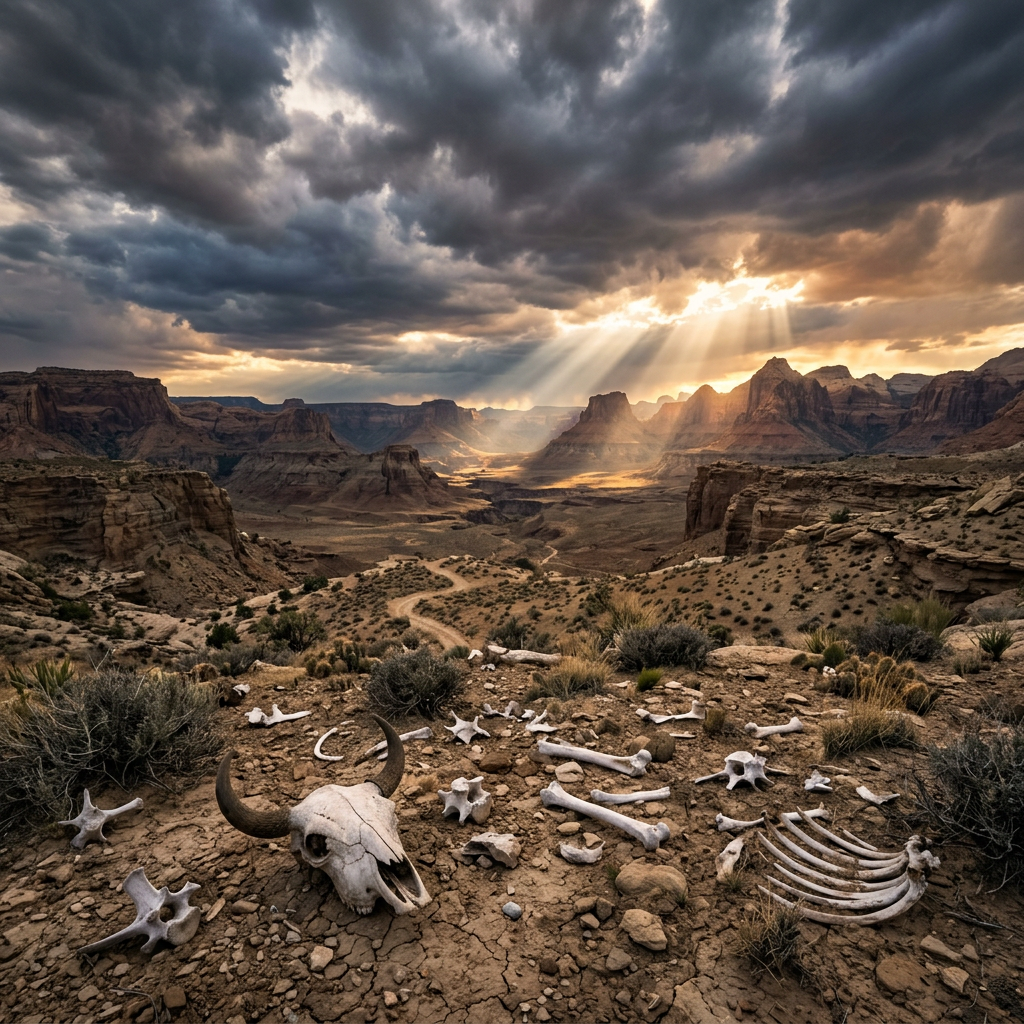
    Today’s “Behind the Song” post is about the moment in “Bring Us Home” where the entire emotional direction of the show changes — from grief to hope, from a funeral to a foundation. It’s built on one of the most striking images in all of Scripture: Ezekiel’s vision of the valley of dry bones.

    Where it sits in the story

    By this point in the show, almost everything has been lost or laid down. Babylon has fallen. The decree of Cyrus has come. The community has split — some staying in the comfortable life they’ve built in exile, some choosing to go home. Saba Elan has tried to play the harp he carried for seventy years and found his hands won’t obey him anymore. Miryam, too frail to travel, has said goodbye to her daughter and passed the songs — and the harp — into Aviva’s hands.

    It’s a lot of ending, all at once. And then this song begins.

    The vision itself

    Ezekiel 37 describes a valley full of dry bones — completely dead, completely hopeless — and God asks the prophet a question that sounds almost like a trick: “Can these bones live?” Ezekiel’s answer is honest: “O Lord God, thou knowest.” He doesn’t know. And then God breathes life back into them, and they become a living army again.

    In “Bring Us Home,” this becomes the bridge between two worlds — the funeral dirge for a dead city, and the hopeful, hands-on work of laying a foundation for a new one.

    How it’s staged

    This song starts almost a cappella — low male voices, like wind moving through ruins, asking the question: can these dry bones live? Then Saba Elan and the elders pick it up. Then Daniel and Aviva. Then the whole company. It builds from something haunting and uncertain into something that turns mourning into expectation — and it flows directly into the finale, “We Are Home,” without a break.

    I think of this song as a held breath. The exiles aren’t home yet when it starts. They’re standing at the edge of a wilderness, carrying a harp that doesn’t play and a cup that was almost lost, asking a question nobody can answer with certainty.

    And then they take the first step anyway.

    Why this had to come before the finale, not be part of it

    I went back and forth on this structurally — should “Can These Dry Bones Live?” be its own moment, or should it just be the opening section of “We Are Home”? In the end, I decided it needed to be felt as its own question, even though it flows seamlessly into the finale.

    Here’s why: if the finale just starts triumphant, it doesn’t earn anything. But if the show pauses — really pauses — on the question can this actually come back to life?, and lets that question sit in the dark for a moment before the answer arrives… that’s when “We Are Home” actually means something.

    You have to ask the question honestly before the answer can land.

    The personal layer for me

    I think almost everyone has stood at the edge of their own “valley of dry bones” at some point — a relationship, a dream, a season of faith that felt completely dead. And I think most of us have asked some version of Ezekiel’s honest non-answer: I don’t know if this can live again. Only You know.

    What I love about this passage — and about this moment in the show — is that the question doesn’t get answered with an argument. It gets answered with breath. With life showing up in a place that had none. That’s not something you can manufacture. It’s something you receive.

    From “Eicha” to “Halleluyah”

    One detail I’m really proud of: this song is where some of the Hebrew vocabulary woven through the show — like Hashiveinu (“restore us”) — starts to shift in meaning. Earlier in the show, those words carry grief. Here, they become the language of an answered prayer. Same words. Completely different weight.

    I want to hear your story

    💬 Comment below — has there been a “valley of dry bones” season in your life — something that felt completely dead — where you’ve seen (or are hoping for) new life?

    📱 Follow me on Instagram and Facebook at @TheMelanieGrace for the final “Behind the Song” post in this series.

    💌 Sign up for my email list — this one’s going out to subscribers with extra detail on the Hebrew elements.

    🎧 Follow me on Spotify, Apple Music, Amazon Music, and YouTube Music so this one reaches you the moment it’s released.

    Tomorrow: the finale. “We Are Home” — and the harp’s first chord in seventy years.